Treatment Options for an 85-Year-Old Patient with Pancreatic Cancer
This is an 85-year-old patient who came from Tianjin and was diagnosed with pancreatic cancer.
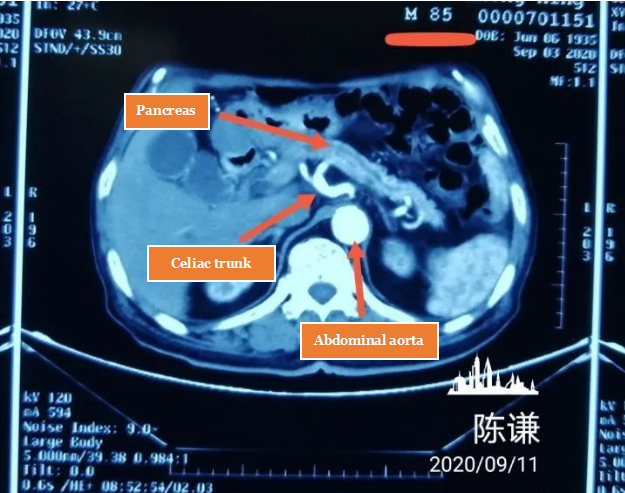
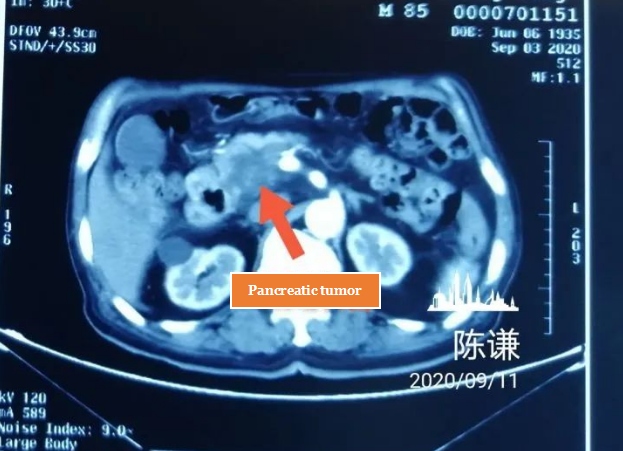
The patient presented with abdominal pain and underwent examinations at a local hospital, which revealed a pancreatic tumor and elevated levels of CA199. After comprehensive evaluations at the local hospital, the clinical diagnosis of pancreatic cancer was established.
For pancreatic cancer, the current main treatment methods include:
- Surgical resection: This is currently the only curative method for early-stage pancreatic cancer. However, it involves significant surgical trauma and carries a high risk of complications and mortality rates both during and after the procedure. The five-year survival rate is approximately 20%.
- High-Intensity Focused Ultrasound (HIFU) ablation surgery: Apart from surgery, this treatment method can directly kill tumors and achieve effects similar to surgery in treating pancreatic cancer. It can also effectively treat tumors that are close to blood vessels and has a faster post-operative recovery time.
- Chemotherapy: This is the basic treatment for pancreatic cancer. Although the efficacy of chemotherapy for pancreatic cancer is not ideal, some patients still benefit from it. Commonly used chemotherapy drugs include albumin-bound paclitaxel, gemcitabine, and irinotecan, which are often combined with other treatment methods.
- Arterial infusion therapy: This is another commonly used treatment method for pancreatic cancer. By directly injecting drugs into the tumor’s blood vessels, the concentration of the drug within the tumor can be very high while lowering the systemic drug concentration. This approach helps decrease chemotherapy reactions, making it especially suitable for patients with multiple liver metastases.
- Radiation therapy: This primarily uses radiation to kill tumor cells. Due to dosage limitations, only a subset of patients can benefit from radiation therapy, and it may come with radiation-related side effects.
- Other local treatments: Such as nanoknife therapy, radiofrequency or microwave ablation therapy, and particle implantation therapy. These are considered alternative treatment methods and can be used appropriately based on individual cases.

Taking into consideration the patient’s advanced age of 85 years, although there was no cancer metastasis, the limitations imposed by age meant that surgery, chemotherapy and radiation therapy were not feasible options for the patient. The local hospital was unable to provide effective treatment options, leading to consultations and negotiations that resulted in the patient being transferred to our hospital. Eventually, a decision was made to proceed with a High-Intensity Focused Ultrasound (HIFU) ablation treatment. The procedure was performed under sedation and analgesia, and the surgical outcome was favorable, with virtually no noteworthy discomfort experienced by the patient on the second day post-surgery.
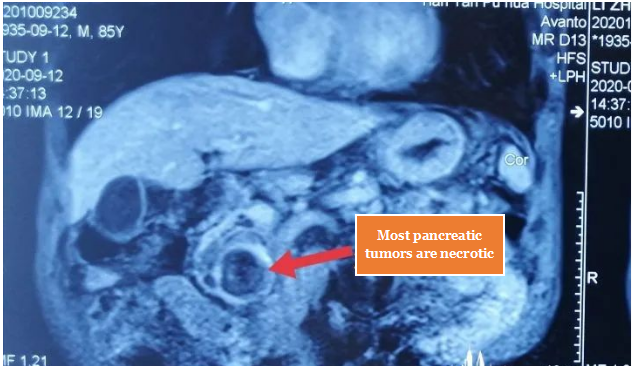
Postoperative examinations revealed more than 95% ablation of the tumor, and the patient showed no signs of abdominal pain or pancreatitis. Consequently, the patient was able to be discharged on the second day.
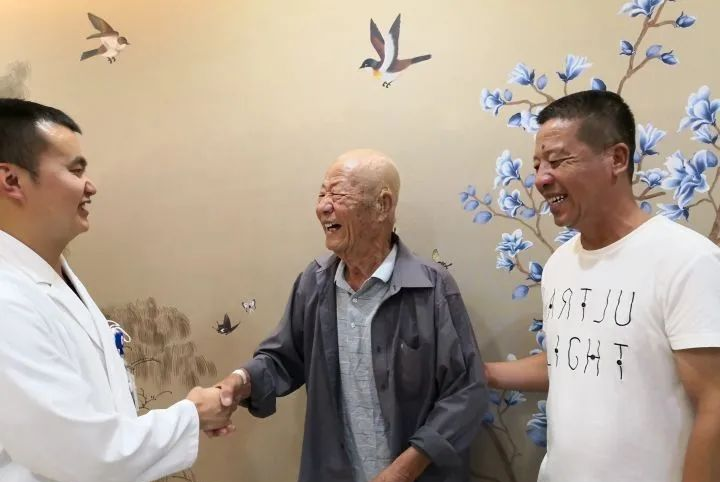
Upon returning home, the patient could undergo combined treatments such as oral chemotherapy drugs or traditional Chinese medicine, with further follow-up visits scheduled after one month to assess the tumor’s regression and absorption.
Pancreatic cancer is an extremely aggressive malignancy, often diagnosed at advanced stages, with a median survival period of approximately 3-6 months. However, with proactive and comprehensive treatment approaches, most patients can extend their survival by 1-2 years.